


The Olight Javelot 2 turbo was excellent. The service and delivery speed was spot on. I can't wait to get some other things off his website, very unique. They look high-quality as what I received
This saw is perfect for me! It folds for easy storage and carrying. Used it to carve up an old Crepe Myrtle tree that needed to be trimmed. This saw cut through this very hard wood with very little effort.
Very happy with it. Will look for this brand for my next purchase, and will definitely get it from Ragweed Forge as the service and price is excellent!
Very good experience with Ragweed Forge. My order hit a USPS routing issue and took a completely unnecessary detour through the postal system. Ragweed Forge stayed in touch, explained the situation clearly, and assured me I would receive what I ordered. The package eventually arrived, and everything was exactly as it should be. Good communication, great handling of the situation, and I will order from them again.
I have been ordering from Ragweed Forge since the days that it was owned by Ragnar. I have found a new friend in Redbeard and have enjoyed the prompt service and wonderful treatment by him and his staff. They sell quality products and have a very nice selection to choose from. If you are looking for Scandinavian knives, blades, or accessories, this is the place to find them. A++++
Best selection of blades at the best prices I have found - and earn points applicable to discount future orders, Quick shipping and also Free with a reasonable minimum order. Owner has provided Quick response to any questions I’ve had.
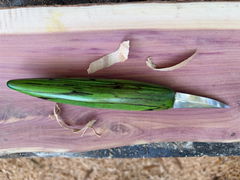
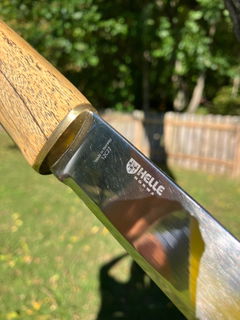
Laurin Carbon 42 and 54 Ricasso my two favorites for wood carving - unbelievable quality at such a reasonable price.