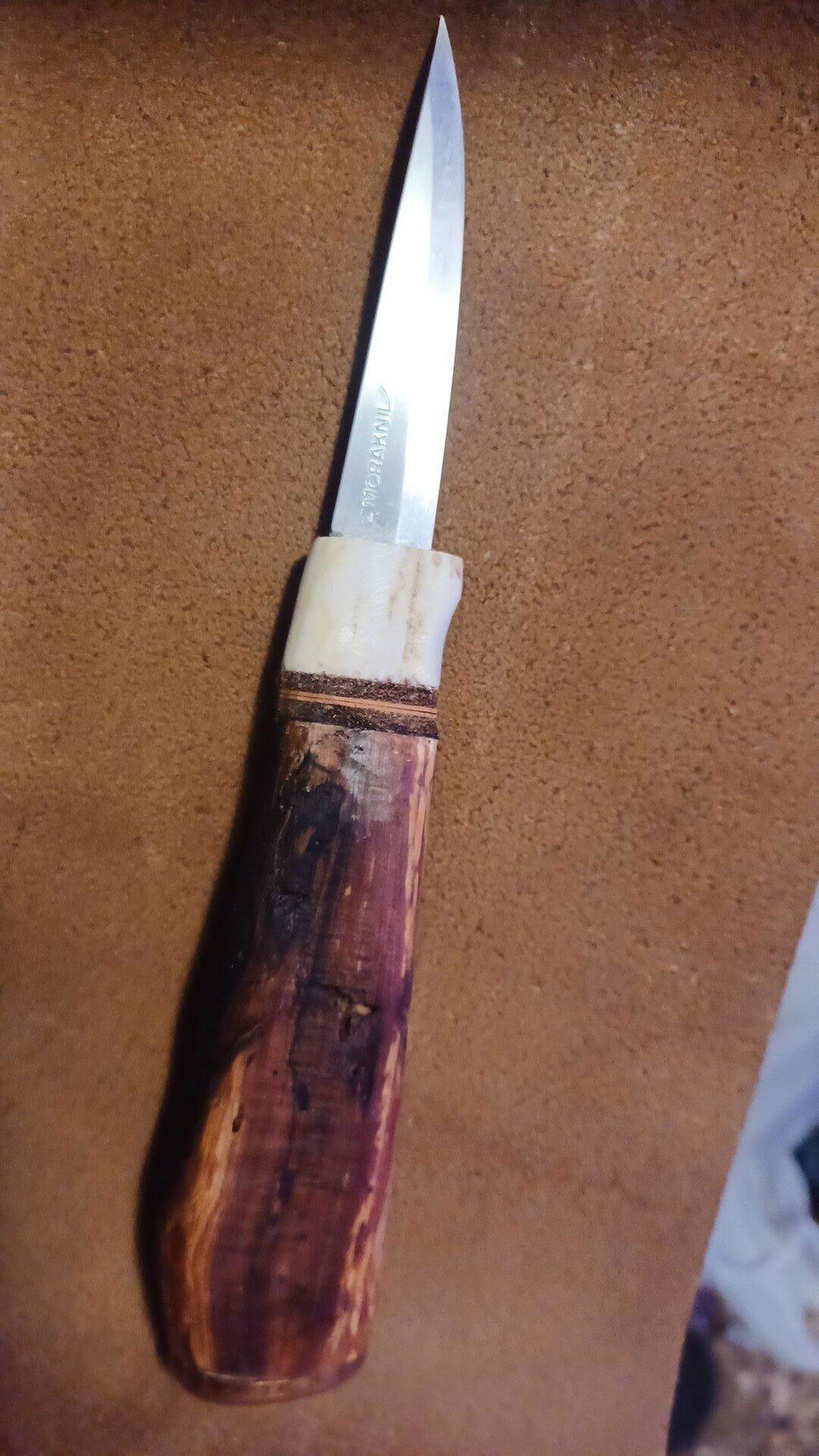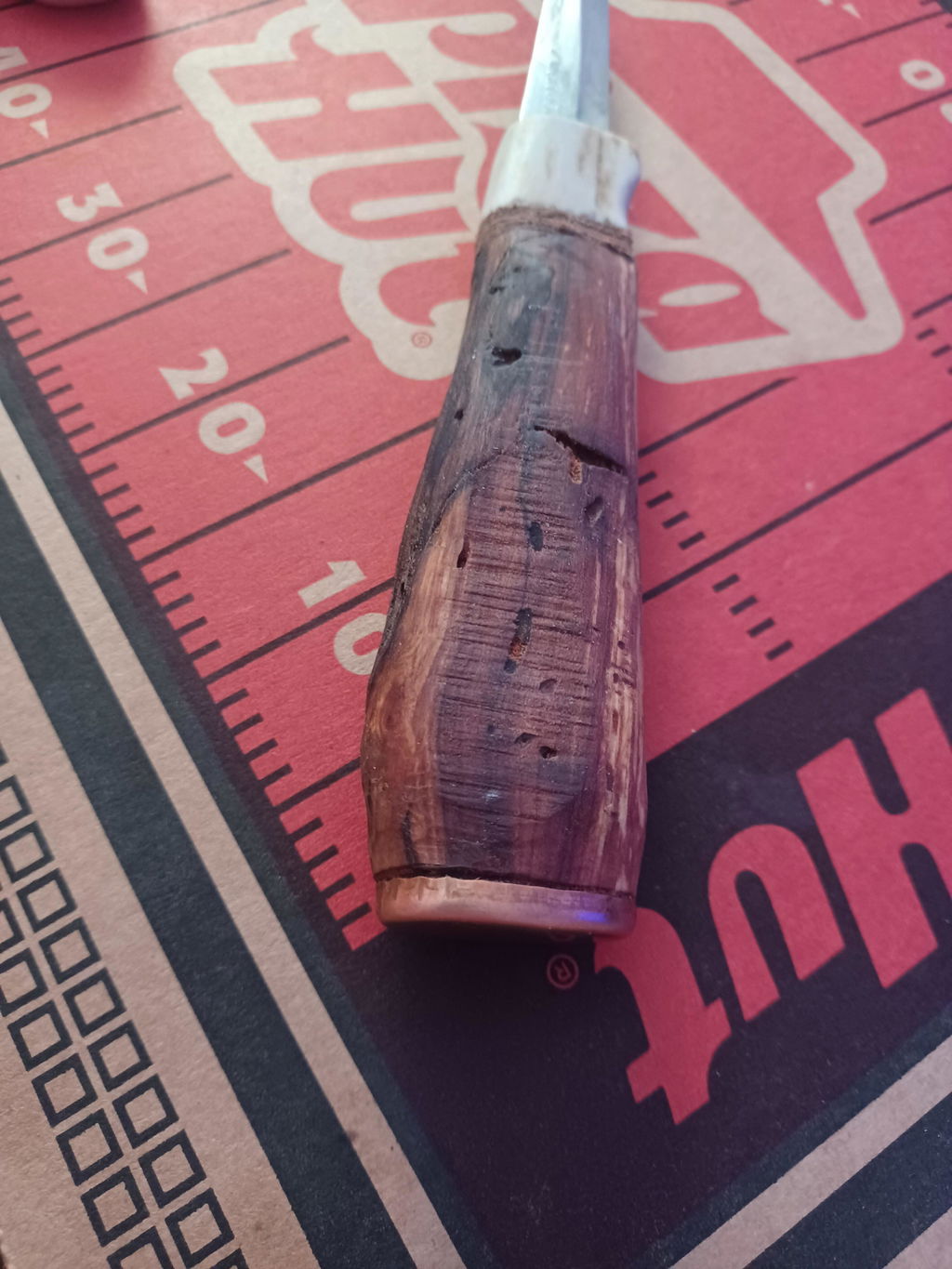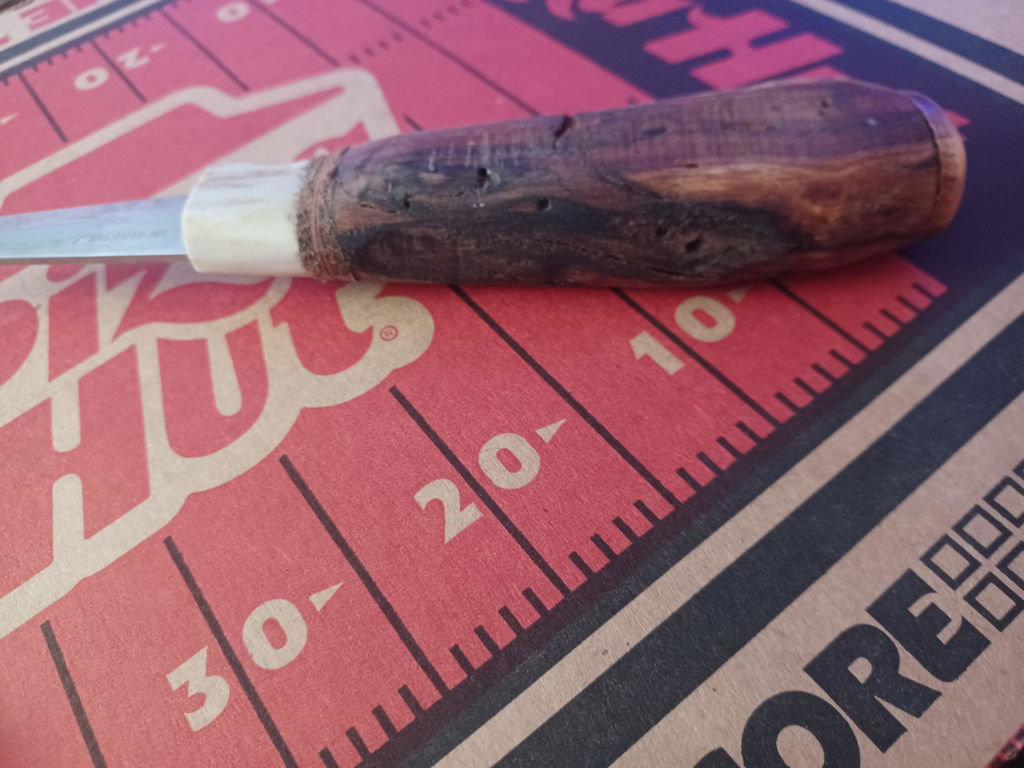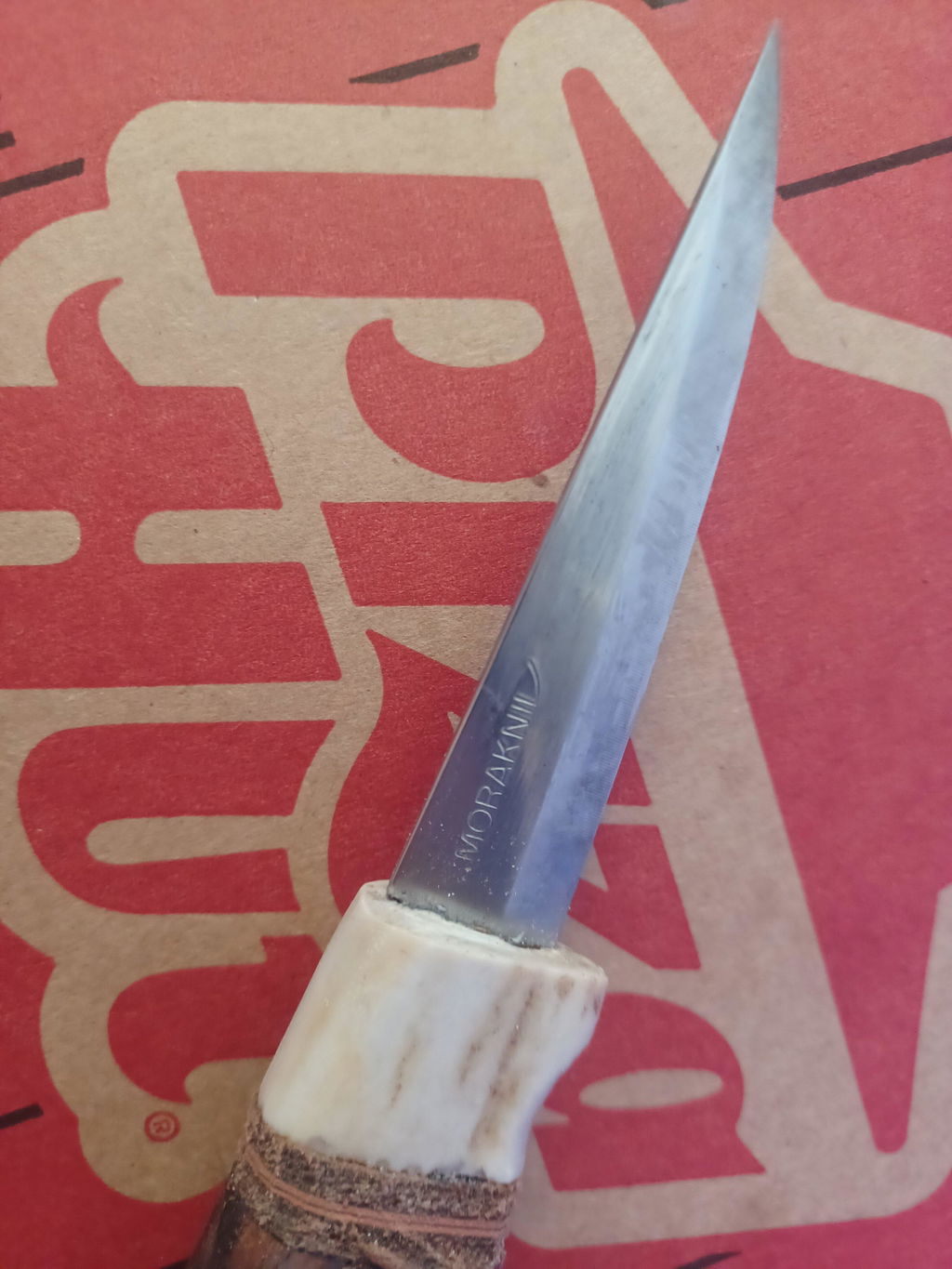
Choosing a hunting knife often begins with blade shape, handle design, and size. However, the steel used in the blade has just as much influence on how the knife performs once the real work begins.
A hunting knife may need to open an animal cleanly, remove hide, separate joints, trim meat, prepare food, or handle basic camp chores. During that work, the blade can be exposed to moisture, blood, dirt, cold temperatures, and long periods away from a proper sharpening bench.
The best steel for a hunting knife is therefore not simply the hardest or most expensive option. It is the steel that offers the right balance of sharpness, edge retention, toughness, corrosion resistance, and ease of maintenance for the way you hunt.
For some hunters, that means traditional carbon steel that can be restored quickly in the field. Others need a low-maintenance stainless steel blade for wet weather or multiday trips. Hunters who prioritize maximum edge retention may prefer ultra-high-carbon steel, while laminated blades provide another approach to balancing a hard cutting edge with structural toughness.
Understanding these differences makes it easier to choose a hunting knife you can depend on season after season.
What makes a good hunting knife steel?
Every knife steel represents a series of trade-offs. Improving one characteristic can sometimes reduce another, which is why no single steel is automatically best for every hunter.
The most important properties to consider are:
-
Edge retention: How long the knife continues cutting effectively before it needs sharpening.
-
Toughness: How well the blade resists cracking, chipping, or breaking under stress.
-
Corrosion resistance: How well the steel handles moisture, blood, humidity, and changing weather.
-
Ease of sharpening: How easily the edge can be restored with the equipment available.
-
Edge stability: How well a thin, sharp edge resists rolling or chipping during detailed work.
For a broader look at blade geometry, heat treatment, grinds, and knife construction, read our guide to what makes a good knife.
It is also important to remember that the name of the steel does not tell the whole story. Heat treatment, blade thickness, edge angle, grind, and the skill of the manufacturer can have as much influence on performance as the steel composition itself.
A well-treated, properly ground traditional steel can outperform a poorly designed knife made from a more fashionable alloy.
Carbon steel for traditional performance and easy sharpening
Carbon steel remains one of the most trusted materials for Scandinavian hunting and outdoor knives. It can take an extremely keen edge, provides strong cutting feedback, and is usually straightforward to sharpen using simple stones or diamond plates.
For hunters who value field maintenance, this is a significant advantage. A carbon steel hunting knife can often be touched up quickly without carrying an elaborate sharpening system. This makes it particularly suitable for remote trips where practical serviceability matters more than laboratory specifications.
Carbon steel is often a strong choice for:
-
Field dressing and skinning
-
General wilderness use
-
Wood carving and fire preparation
-
Hunters comfortable maintaining their equipment
-
Cold or relatively dry hunting environments
The main disadvantage is corrosion resistance. Carbon steel can discolor, develop a patina, or rust when it is left wet or dirty. Blood, moisture, and acidic foods should be cleaned from the blade as soon as practical.
This does not make carbon steel unsuitable for hunting. It simply requires good habits. Wipe the blade clean, dry it thoroughly, and apply a light protective oil before storage. A natural gray patina may develop over time, but active orange rust should always be removed.
The Roselli Hunter R100 is a good example of a traditional carbon steel hunting knife. Its forged blade, practical profile, and curly birch handle reflect the straightforward Finnish approach to tools intended for real wilderness use.
For hunters who also use their knife for camp chores, the Roselli Hunter Full Tang R100F combines carbon steel with a full-tang construction designed for a more demanding outdoor role.
Stainless steel for wet and unpredictable conditions
A stainless steel hunting knife is often the most practical choice for hunters who regularly deal with rain, snow, humidity, coastal air, or multiday trips.
Stainless steel is not completely rustproof, but it is considerably more resistant to corrosion than traditional carbon steel. This gives the hunter more time to clean and dry the knife before staining or rust becomes a concern.
That additional margin can be valuable when processing game in poor weather. A knife may need to return to its sheath before it can be cleaned properly, especially when the hunter still has packing, transportation, or camp responsibilities to handle.
Stainless steel is particularly suitable for:
-
Wet or humid hunting regions
-
Coastal environments
-
Waterfowl hunting
-
Multiday backcountry trips
-
Hunters who prefer lower-maintenance equipment
-
Dedicated processing knives that are frequently washed
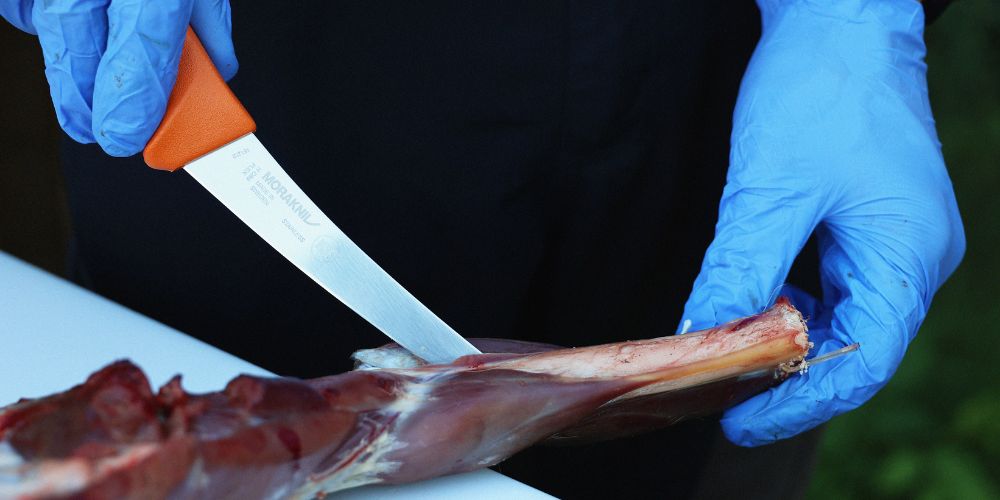
The Mora Hunting Skinning Stainless uses recycled Swedish stainless steel and a long, curved cutting edge designed for controlled skinning cuts. Its polymer handle and washable sheath also make it a practical option when easy cleaning matters.
For boning and meat processing, the Mora Hunting Straight Boning Stainless provides another task-specific stainless steel option.
Not all stainless steels perform the same way. Some are designed primarily for corrosion resistance and affordability, while others provide higher hardness, finer edge stability, or improved toughness. The quality of the heat treatment remains critical.
A good stainless steel hunting knife should not be selected only because it requires less maintenance. It should also have a blade profile, grind, and handle suited to the work you expect it to perform.
Ultra-high-carbon steel for exceptional edge retention
Ultra-high-carbon steel, often shortened to UHC, is designed for users who place exceptional sharpness and long edge retention near the top of their priorities.
Roselli’s UHC blades are especially well known among Scandinavian knife enthusiasts. Compared with the company’s traditional carbon steel, UHC steel is hardened to support a very sharp, long-lasting cutting edge.
For hunters, the advantage is clear: less frequent sharpening during extended cutting work. A properly maintained UHC blade can continue making controlled cuts through hide, connective tissue, and meat long after a softer blade would need touching up.
The Roselli Hunter in UHC RW200 is built around this approach. It combines Roselli’s traditional hunting knife design with an ultra-high-carbon blade intended for users who value maximum cutting performance.
A longer alternative, the Roselli RW200L Hunter in UHC, provides additional blade length for hunters who prefer more reach or want a knife that can also assist with food preparation at camp.
High hardness does come with responsibilities. A very hard edge should be used as a cutting tool rather than a pry bar, wedge, or improvised chopping tool. Twisting the blade in joints, striking hard material, or forcing the edge against bone can increase the risk of chipping.
UHC steel is best suited for hunters who:
-
Prioritize edge retention
-
Use controlled cutting techniques
-
Understand basic knife maintenance
-
Avoid prying or striking with the blade
-
Want a high-performance traditional hunting knife
Like other high-carbon steels, UHC also requires careful cleaning and drying. Its strength is cutting performance, not neglect resistance.
Laminated stainless steel for balance and durability
Laminated steel combines multiple layers with different properties. In a typical Scandinavian laminated blade, a hard steel core forms the cutting edge while softer outer layers support and protect it.
This construction allows the blade to combine a hard, sharp edge with a tougher overall structure. The outer layers can help the blade tolerate forces that might be less forgiving in a single layer of very hard steel.
Laminated stainless steel is a strong option for hunters who want:
-
Good corrosion resistance
-
A fine and stable cutting edge
-
Traditional Scandinavian construction
-
A practical balance between hardness and toughness
-
A knife suitable for both hunting and general outdoor work
The Helle Gaupe is an all-around hunting and bushcraft knife made with Helle’s triple-laminated stainless steel. Its rounded handle and controlled blade shape make it suitable for hunters who want one knife for both game processing and normal camp tasks.
Another example is the Helle Harding, which pairs a triple-laminated stainless blade with traditional Scandinavian handle materials and a classic Scandi grind.
A laminated blade is not automatically indestructible. Edge angle and intended use still matter. However, quality laminated construction provides a proven way to combine cutting performance with the reliability expected from a working outdoor knife.
Modern stainless alloys for balanced field performance
Modern stainless knife steels are often engineered to provide a more refined balance between corrosion resistance, toughness, edge stability, and sharpenability.
Steels such as 14C28N are popular in outdoor knives because they can support a fine cutting edge without becoming unnecessarily difficult to maintain. When paired with proper heat treatment, this type of stainless steel can work well for hunters who want dependable performance without the maintenance demands of carbon steel.
The Helle GT with a 14C28N blade is a modern interpretation of a substantial Scandinavian hunting knife. Its pronounced guard and large handle are designed to provide control when field dressing bigger game.
Modern stainless steel can be a sensible middle ground for hunters who want:
-
Better corrosion resistance than carbon steel
-
More edge stability than basic stainless alloys
-
Reasonable field sharpenability
-
One knife for hunting and general outdoor use
The steel name still should not be considered in isolation. A thinner blade may slice more efficiently, while a thicker blade may provide more confidence during general camp work. A high-quality steel cannot compensate for a blade shape that is poorly suited to the task.
Does hardness matter in a hunting knife?
Blade hardness is commonly measured using the Rockwell C scale and expressed as HRC. A higher number generally indicates harder steel, but higher hardness is not always better.
Harder blades can provide:
-
Longer edge retention
-
Improved resistance to edge rolling
-
Better performance with thin, precise cutting edges
Softer or more moderately hardened blades can offer:
-
Greater toughness
-
Easier sharpening
-
More tolerance for rough use
-
Less risk of brittle edge damage
For hunting, the correct balance depends on how the knife will be used. A dedicated skinning knife can benefit from a thin, highly stable edge. A general-purpose hunting and camp knife may benefit from additional toughness.
Heat treatment determines how effectively the manufacturer balances these properties. This is one reason experienced knife users often trust established makers rather than selecting a knife based only on an impressive steel specification.
Matching hunting knife steel to your conditions
The best way to choose a hunting knife steel is to begin with your environment and normal use.
Choose carbon steel when field sharpening matters
Carbon steel is an excellent option when you want a traditional cutting feel and the ability to restore the edge quickly with uncomplicated tools. It rewards regular care and works especially well for hunters who already maintain their gear carefully.
Choose stainless steel for rain, snow, and humidity
Stainless steel provides additional protection when conditions make immediate cleaning difficult. It is often the most forgiving choice for wet climates, waterfowl hunting, and long trips.
Choose UHC steel for maximum edge retention
Ultra-high-carbon steel suits experienced users who want exceptional sharpness and long cutting performance. It should be used with controlled technique and protected from moisture.
Choose laminated steel for a balanced Scandinavian blade
Laminated stainless steel offers a hard cutting core, supportive outer layers, and good resistance to corrosion. It is a practical choice for hunters who appreciate traditional Nordic construction but want lower maintenance.
Choose modern stainless steel for all-around convenience
Modern alloys such as 14C28N provide a useful balance for hunters who want corrosion resistance, toughness, and dependable edge performance in one package.
Knife care matters regardless of steel type
Every hunting knife requires maintenance. Even stainless steel should be cleaned after processing game, and every edge eventually needs sharpening.
After using a hunting knife:
-
Remove blood, fat, dirt, and other residue.
-
Wash the blade when conditions allow.
-
Dry both the knife and sheath thoroughly.
-
Apply a light protective oil to carbon steel.
-
Inspect the edge for rolling, dull spots, or small chips.
-
Sharpen or strop the blade before it becomes severely dull.
Do not store a damp knife inside a leather sheath for extended periods. Leather can retain moisture against the blade and contribute to corrosion.
For advice on maintaining a working blade away from home, see our guide to field knife maintenance in the backcountry. When the edge needs attention, our guide to Redbeard’s favorite sharpening tools explains practical options for routine sharpening and stropping.
Frequently asked questions about hunting knife steel
Is carbon steel better than stainless steel for hunting?
Neither is universally better. Carbon steel is often easier to sharpen and can provide excellent cutting performance, while stainless steel offers better corrosion resistance. The right choice depends on your environment, maintenance habits, and intended use.
What steel holds an edge the longest?
Very hard steels such as Roselli UHC can provide exceptional edge retention. However, edge life also depends on heat treatment, edge angle, blade geometry, and the materials being cut.
What is the easiest hunting knife steel to sharpen?
Traditional carbon steels are generally among the easiest to restore using simple field sharpening tools. Some moderately hardened stainless steels are also relatively straightforward to maintain.
Is stainless steel completely rustproof?
No. Stainless steel is corrosion resistant, not corrosion proof. Salt, moisture, blood, and long-term storage in a wet sheath can still cause staining or corrosion.
Are laminated blades good for hunting?
Yes. A quality laminated blade can combine a hard cutting edge with supportive outer layers. Laminated stainless steel is particularly useful for hunters who want strong cutting performance with practical corrosion resistance.
Finding the best steel for your hunting knife
There is no single blade steel that wins in every hunting situation.
Carbon steel offers traditional performance and straightforward sharpening. Stainless steel reduces maintenance in wet environments. UHC steel delivers exceptional edge retention for careful users. Laminated stainless steel balances a hard edge with structural toughness, while modern stainless alloys provide versatile performance for hunters who want one dependable knife for many conditions.
The best hunting knife blade is ultimately the one that matches your environment, your maintenance habits, and the work you expect it to do.
Before making a decision, consider more than the steel name. Look at blade shape, edge geometry, handle security, sheath design, and the reputation of the maker. A properly designed hunting knife should feel predictable in the hand, cut efficiently, and remain practical to maintain throughout its working life.
For additional guidance, read our article on durable hunting knives for harsh conditions or explore Ragweed Forge’s selection of field-tested Scandinavian knives from Roselli and Mora.